
No products in the cart.
Return To Shop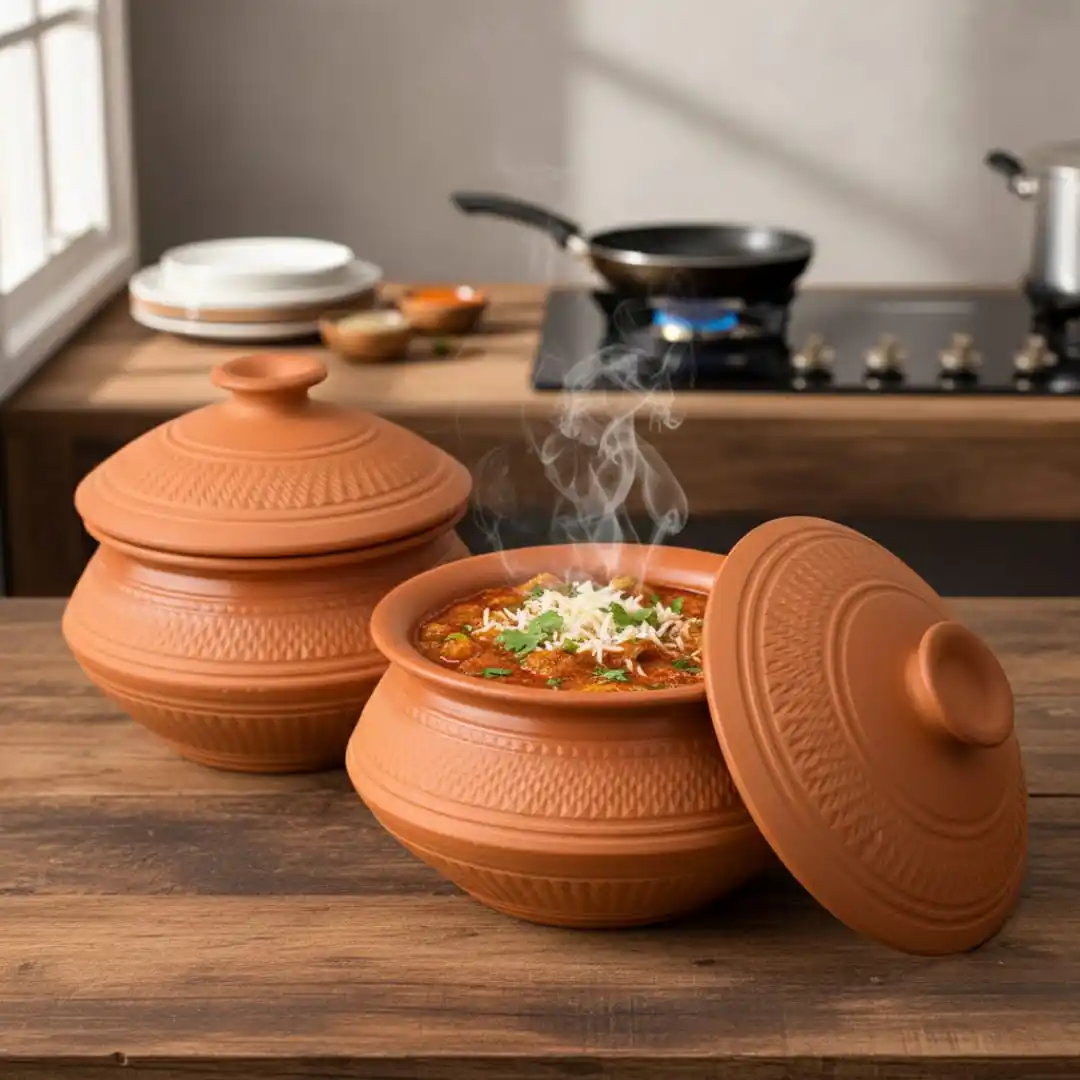
Clay Utensils for Cooking Near Me – Why Traditional Cookware Is Making a Powerful Comeback
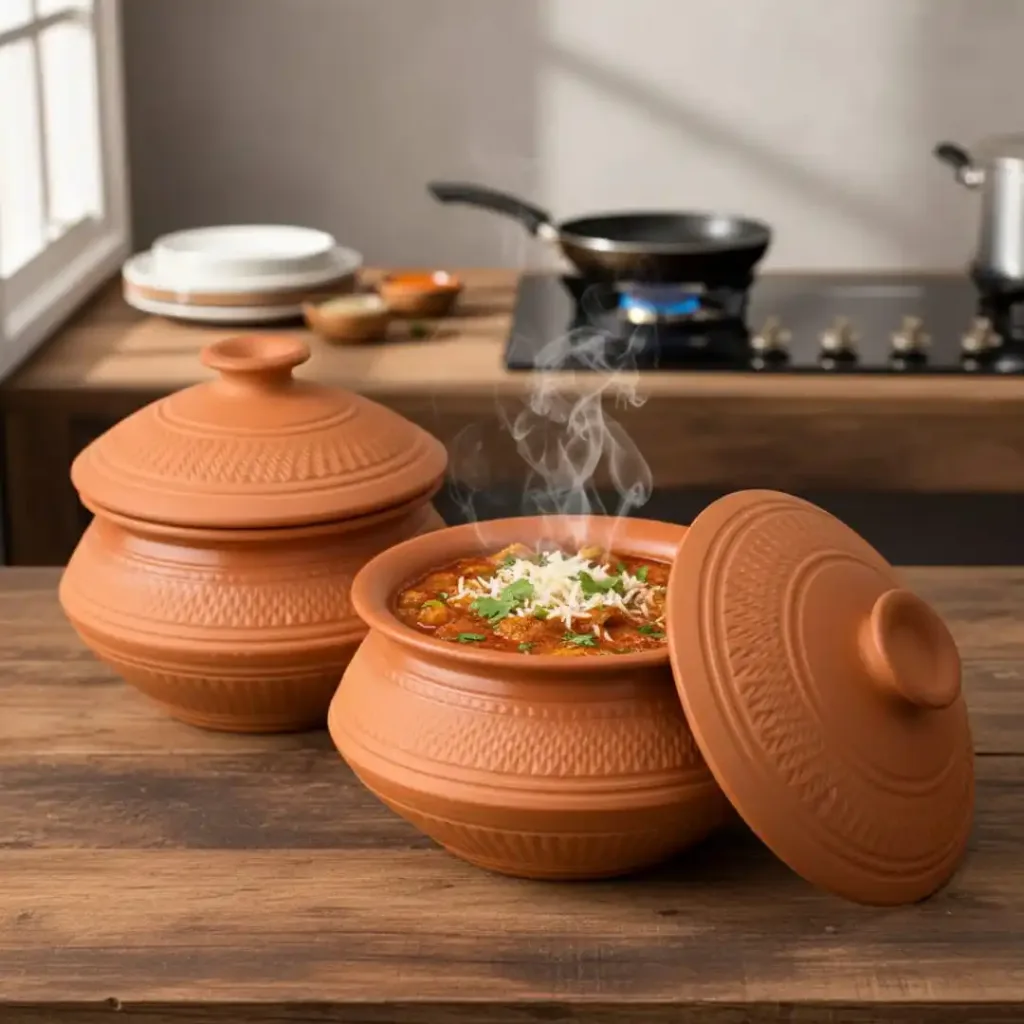
Clay utensils for cooking near me have become a popular search for people who want healthier, more natural cooking options, and this growing interest reflects a return to time-tested culinary traditions. In today’s fast-paced lifestyle, many households and professional kitchens are rediscovering the benefits of clay cookware for everyday cooking. Along with modern kitchen solutions from brands like Chandran Steels, traditional clay utensils are now being valued not just for nostalgia, but for their proven health, taste, and sustainability benefits.
Clay cooking vessels have been used for centuries in Indian kitchens. Unlike metal or non-stick cookware, clay utensils interact gently with food, enhancing flavor while retaining nutrients. When people search for clay utensils for cooking near me, they are often looking for safe, chemical-free cookware that supports slow cooking and natural heat distribution. This renewed demand has made clay cookware relevant again in both home kitchens and commercial food spaces.
Health Benefits of Using Clay Utensils for Cooking Near Me
When people explore clay utensils for cooking near me, health is usually the top motivation. Clay cookware is naturally alkaline, which helps balance the acidity of food during cooking. This is especially beneficial when preparing dishes like curries, gravies, dals, and traditional rice preparations. The porous nature of clay allows heat and moisture to circulate evenly, reducing nutrient loss and preserving the natural aroma of ingredients.
Cooking in clay utensils does not require excessive oil. This makes everyday meals lighter and easier to digest, supporting heart health and overall wellness. Unlike non-stick cookware that may release harmful fumes at high temperatures, clay utensils are completely natural and free from chemical coatings. This makes them ideal for families, children, and elderly individuals who require safe cooking practices.
Another important benefit is the slow cooking process. Clay utensils take time to heat up but retain heat for longer periods. This slow, steady cooking improves the texture and taste of food while helping retain vitamins and minerals. For people searching clay utensils for cooking near me, this traditional cookware offers a way to return to mindful cooking and healthier eating habits.
Clay cookware also enhances hydration and mineral intake. When soaked properly before use, clay utensils release trace minerals like calcium, magnesium, and phosphorus into the food. These minerals support bone strength and digestion. In regions where traditional diets are still valued, clay utensils remain an essential part of everyday cooking.
Why Clay Utensils for Cooking Near Me Are Ideal for Modern Kitchens
Modern kitchens often focus on speed and convenience, but many people now realize that fast cooking can compromise nutrition and flavor. This is why searches for clay utensils for cooking near me continue to rise. Clay cookware blends seamlessly with modern kitchens while offering traditional benefits that modern materials often lack.
Clay utensils are versatile and suitable for gas stoves, electric stoves, and even open-flame cooking. With proper care, they last for years and improve with use. Unlike metal cookware that may react with acidic foods, clay utensils maintain the original taste of ingredients, making them perfect for authentic Indian and regional recipes.
From home kitchens to restaurants, clay cookware is also appreciated for its presentation value. Serving food in clay pots adds a rustic, earthy appeal that enhances the dining experience. Many professional kitchens use clay utensils to create traditional dishes that customers associate with authenticity and comfort.
People searching clay utensils for cooking near me are also driven by sustainability concerns. Clay is biodegradable, eco-friendly, and sourced naturally. Using clay cookware reduces dependence on synthetic materials and supports environmentally responsible living. This aligns perfectly with the growing trend toward sustainable kitchens and conscious consumption.

Leave a reply