
No products in the cart.
Return To ShopWooden Accessories for Kitchen: A Perfect Blend of Tradition, Style, and Sustainability
Introduction: Why Wooden Accessories for Kitchen Are Always in Demand
Wooden accessories for kitchen spaces have stood the test of time, combining traditional charm with modern functionality. From Indian households to luxury hotels and commercial kitchens, wooden kitchen tools are valued for their durability, natural appearance, and food-safe properties. Unlike plastic or low-grade metal utensils, wood does not react with food, making it a healthier option for daily cooking. In today’s eco-conscious world, people are actively choosing sustainable materials, and wood naturally fits into this lifestyle choice.
At Chandran Steels, a trusted name in commercial kitchen equipment and fabrication solutions, the importance of quality kitchen accessories is well understood. Whether it is for home kitchens, restaurants, hotels, or industrial food preparation units, the right accessories improve efficiency, safety, and presentation. Wooden kitchen accessories add warmth to cooking spaces while offering excellent usability for stirring, chopping, serving, and storage purposes.
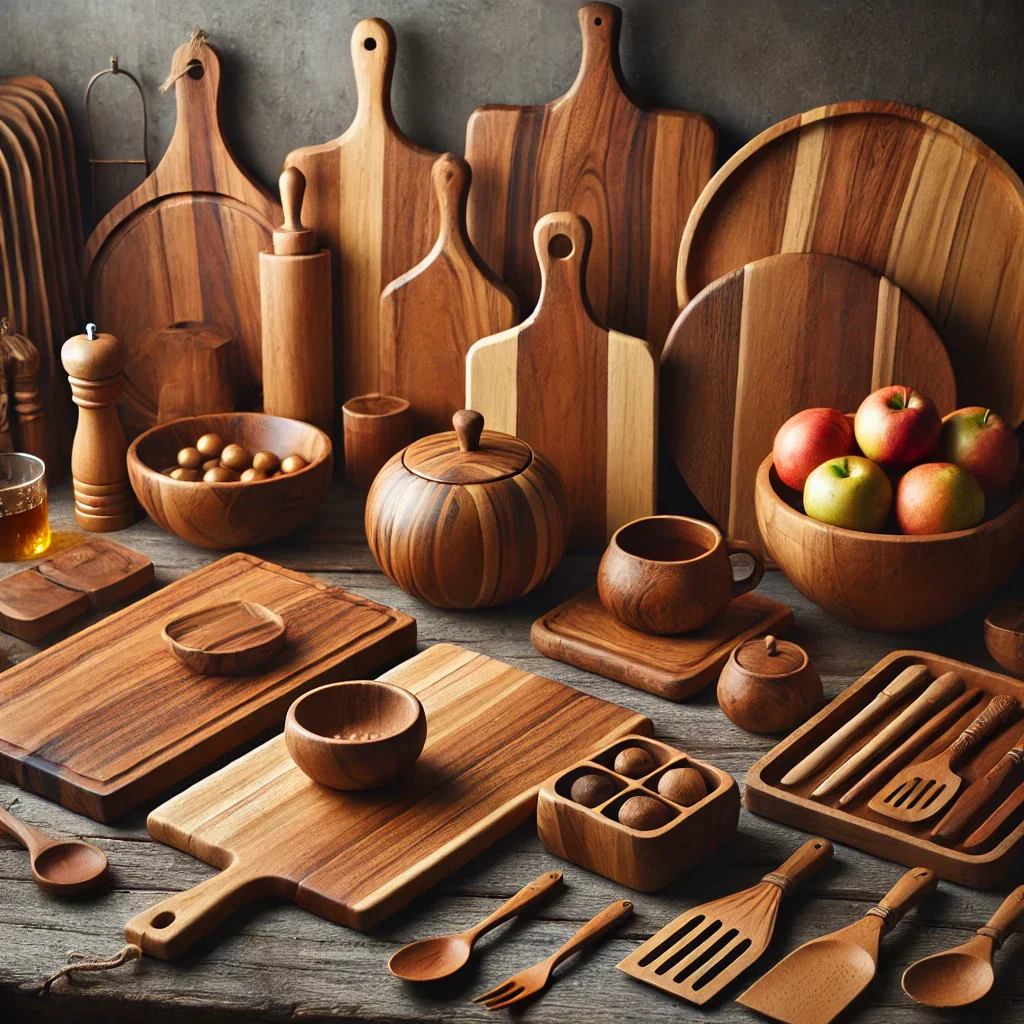
From wooden spoons and spatulas to chopping boards, rolling pins, and storage containers, wooden accessories for kitchen use are both practical and aesthetically pleasing. Their natural grain patterns make every piece unique, adding character to the kitchen. As modern kitchens blend functionality with design, wooden accessories continue to remain a preferred choice for both professional chefs and home cooks alike.
Benefits of Using Wooden Accessories for Kitchen (Durability, Safety & Comfort)
One of the biggest advantages of wooden accessories for kitchen use is their exceptional durability. High-quality hardwoods such as teak, neem, bamboo, and acacia are naturally strong and resistant to wear when maintained properly. Unlike plastic tools that melt or metal tools that scratch cookware, wooden accessories are gentle on non-stick surfaces and cookware coatings, extending their lifespan. This makes them ideal for both domestic kitchens and commercial cooking environments.
Another important benefit is food safety. Wood has natural antibacterial properties that help prevent bacterial growth when cleaned and dried properly. This makes wooden accessories safer for tasks like chopping vegetables, kneading dough, or stirring hot dishes. They also do not leach chemicals into food, which is a concern with certain plastics exposed to heat. For families focused on healthy cooking and for professional kitchens adhering to food safety standards, wooden tools are a reliable option.
Comfort is another reason why chefs prefer wooden accessories for kitchen work. Wooden handles provide a firm, non-slip grip and do not conduct heat like metal utensils. This allows safe and comfortable handling during long cooking hours. The lightweight nature of wood also reduces hand fatigue, especially in commercial kitchens where repetitive tasks are common.
Additionally, wooden accessories bring a natural and elegant look to the kitchen. They complement modern, traditional, and rustic kitchen interiors equally well. Serving food using wooden ladles, trays, or bowls enhances presentation, making dishes appear more authentic and appealing. Because of these combined benefits—durability, safety, comfort, and aesthetics—wooden accessories remain an essential part of kitchens worldwide.
Types of Wooden Accessories for Kitchen and Their Everyday Uses
Wooden accessories for kitchen use come in a wide variety of designs, each serving a specific purpose. Wooden spoons and spatulas are among the most commonly used tools. They are perfect for stirring curries, gravies, rice, and sauces without damaging cookware. Their smooth edges help mix ingredients evenly while maintaining the texture of food.
Wooden chopping boards are another essential item found in almost every kitchen. They provide a sturdy surface for cutting vegetables, fruits, and bread. Compared to glass or steel boards, wooden boards are gentler on knives, helping retain blade sharpness for a longer period. Larger wooden boards are especially useful in commercial kitchens where bulk food preparation is required.
Rolling pins (chapati rollers) made from wood are widely used in Indian kitchens. Their balanced weight and smooth surface make rolling dough easier and more consistent. Wooden mortars and pestles are also popular for grinding spices, herbs, and pastes, offering better flavor extraction compared to electric alternatives.
In addition, wooden storage containers, trays, and serving platters are increasingly used in hotels and restaurants for presentation purposes. These accessories enhance the dining experience while maintaining a natural and premium appearance. Even simple items like wooden knife holders, spoon stands, and racks help keep the kitchen organized while adding visual appeal.
With proper care, such as regular cleaning and occasional oiling, wooden accessories for kitchen use can last for many years. Their versatility and functionality make them a valuable investment for both home and professional kitchens.

Leave a reply